Taped-Seam Waterproof Workwear Jackets: Why Factory Capability Is the Only Thing That Matters
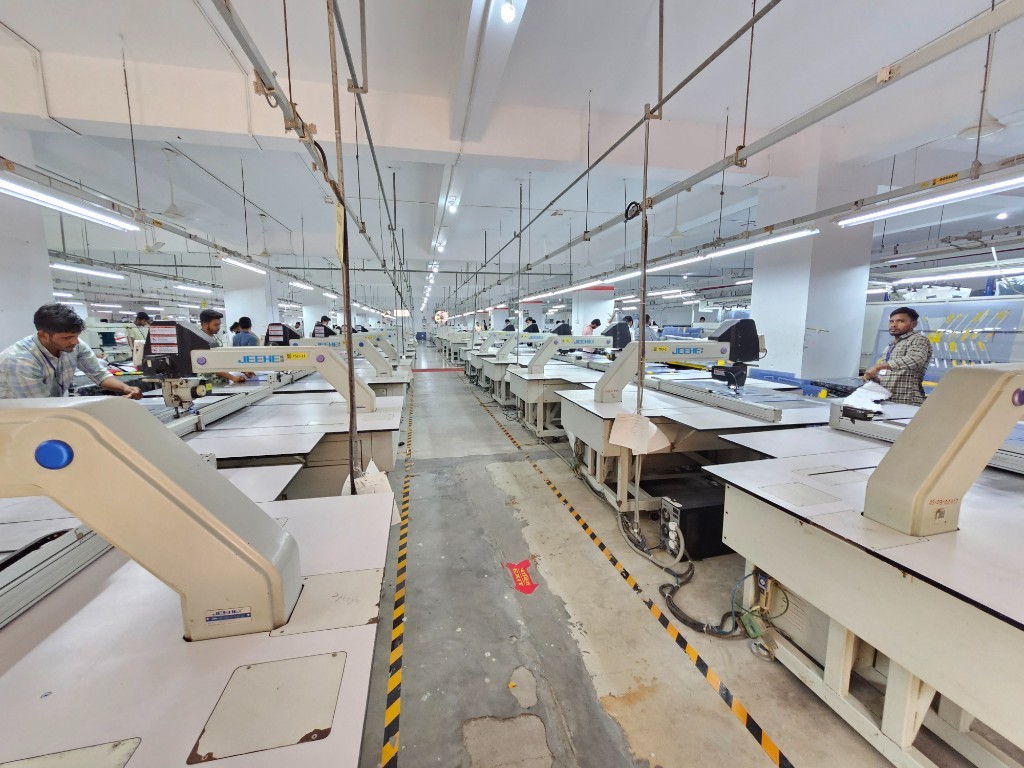
Most workwear jacket sourcing goes wrong the same way: a factory quotes a taped-seam waterproof, runs the first sample, and the seams leak, the coating delaminates, or the garment fails hydrostatic testing. The buyer loses weeks, pays for rework, and starts again with a different supplier.
Bangladesh has factories that can genuinely produce taped-seam waterproof workwear jackets at export quality. The problem is not whether the capability exists — it is how small the capable pool is, and how many suppliers will say yes before they have proved they can deliver.
What "taped-seam" actually means in manufacturing
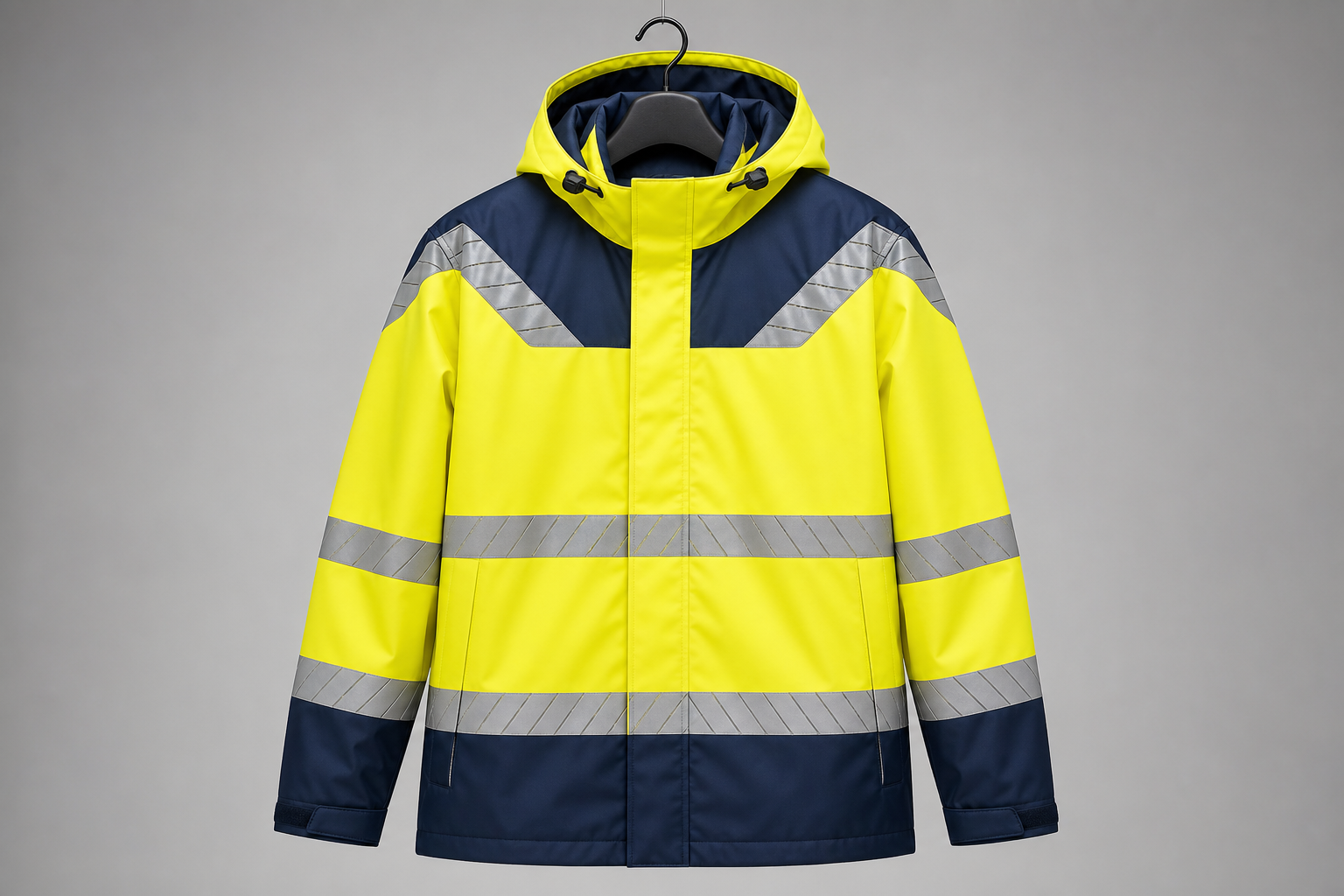
"Taped-seam waterproof" sounds like one specification. In production it is a bundle of decisions: fully taped vs critically taped construction, coating vs lamination, tape grade, seam allowance, and how the garment is engineered so seams can be sealed cleanly in the first place.
Fully taped means seam-sealing tape runs along the entire inside seam line. Critically taped seals only the highest-exposure areas — shoulders, hood and upper body on many workwear rain jackets. Fully taped delivers higher waterproof performance but needs more equipment, more operator skill, and tighter process control.
A factory producing plain waterproof shells — coated fabric, welded or unsealed seams, basic rain jackets — is not automatically set up for taped-seam work at export quality. Plenty will quote it. Far fewer can run it competitively once you add compliance testing, repeat orders and the margin pressure most workwear programmes carry.
The small supplier pool problem
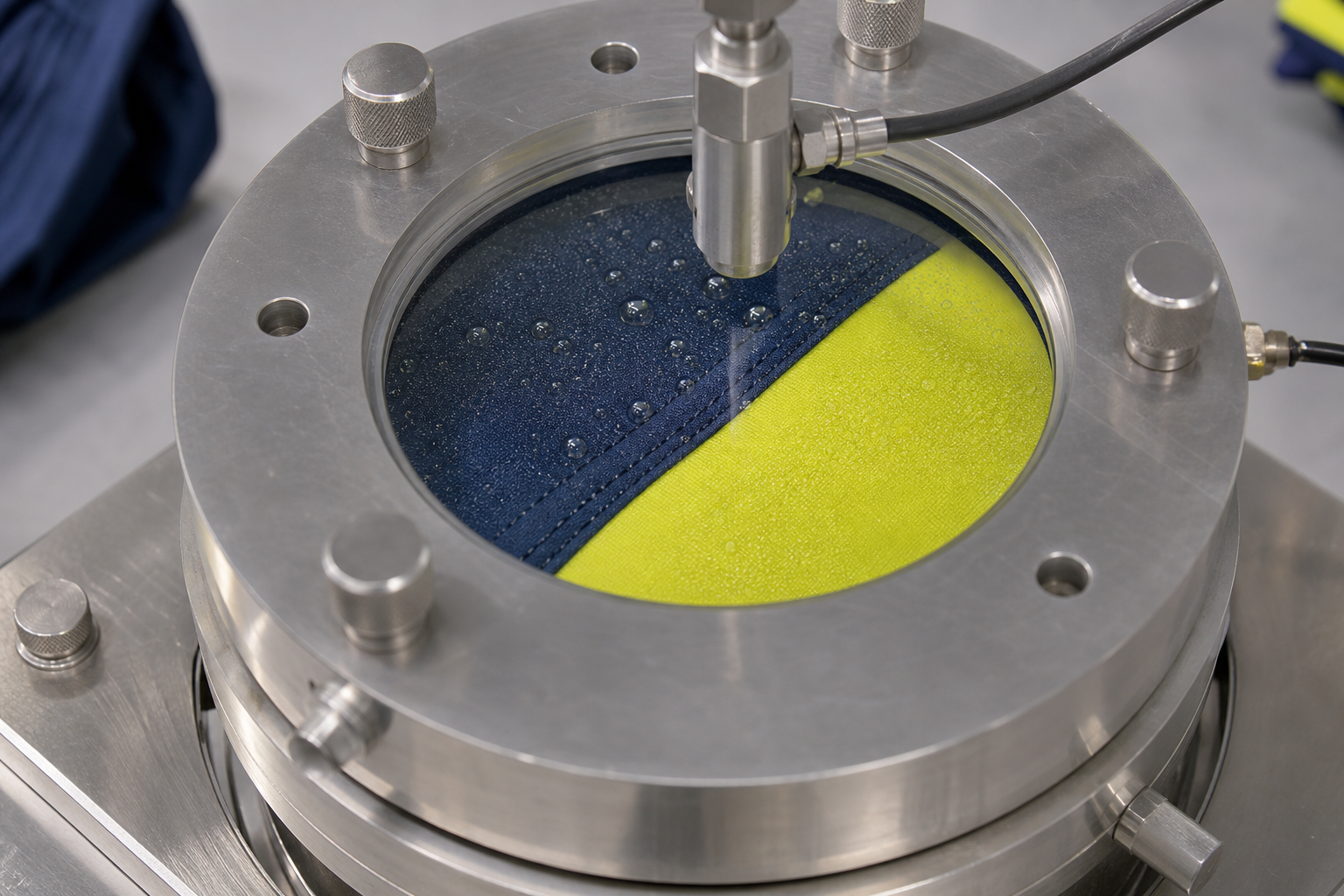
Seam sealing is a dedicated line process. It needs heat and pressure equipment matched to the tape and fabric system, operators who understand temperature windows and roller pressure, and QC that catches weak bonds before garments leave the factory.
In Bangladesh, most garment export capacity sits in knitwear basics and woven fashion. Taped-seam technical outerwear is a different category — closer to outdoor and safety rainwear than to a standard jacket programme. The factories that have invested in seam-sealing lines, test discipline and coated-fabric handling are a small group within a very large industry.
That gap shows up quickly in sourcing. A factory visit might reveal seam-sealing machines in a corner, but no consistent export programme behind them. Or a supplier shows a good shell sample but has never run shower testing on a taped construction at volume. Buyers who treat taped-seam as a line item on a general outerwear RFQ — rather than a factory selection problem — usually discover the gap at the wrong stage.
Coating, fabric and tape compatibility
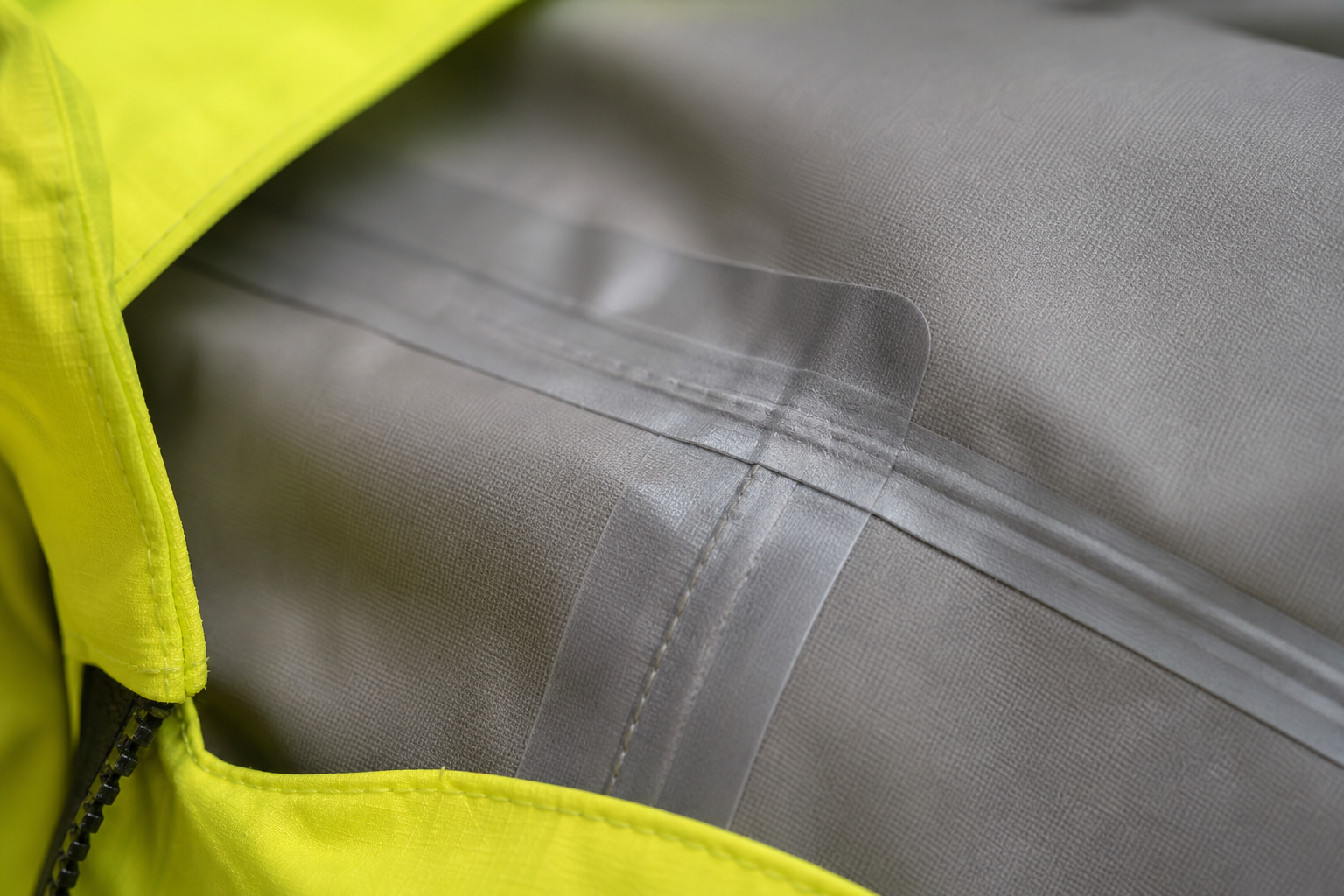
Taped-seam quality is a system, not a single process. The tape has to bond reliably to the coating or lamination on the fabric. The coating has to survive seam-sealing temperatures. The construction has to leave seam lines accessible and clean enough to tape.
When any part of that system is wrong, failures look like production problems but start as specification problems: tape specified without checking coating chemistry, fabric sourced for price without hydrostatic head margin, or a construction detail that forces awkward taping angles and weak bonds.
Buyers should settle fabric, coating or lamination, seam-sealing method and target performance — hydrostatic head, breathability, EN 343 class where required — before sampling, not after the first bulk cut. For jackets that also need hi-vis compliance, EN ISO 20471 planning has to sit alongside shell performance from the start. A hi-vis clothing manufacturer adding a taped-seam rain layer is running two technical programmes on one garment; the factory route needs to reflect that.
Bangladesh's position for this product
Bangladesh is a credible base for taped-seam workwear waterproofs in the right tier: industrial rain jackets, hi-vis rainwear, private label safety outerwear for European and other export markets. Duty-free access to the EU under the Everything But Arms arrangement still makes the commercial case attractive for price-sensitive programmes.
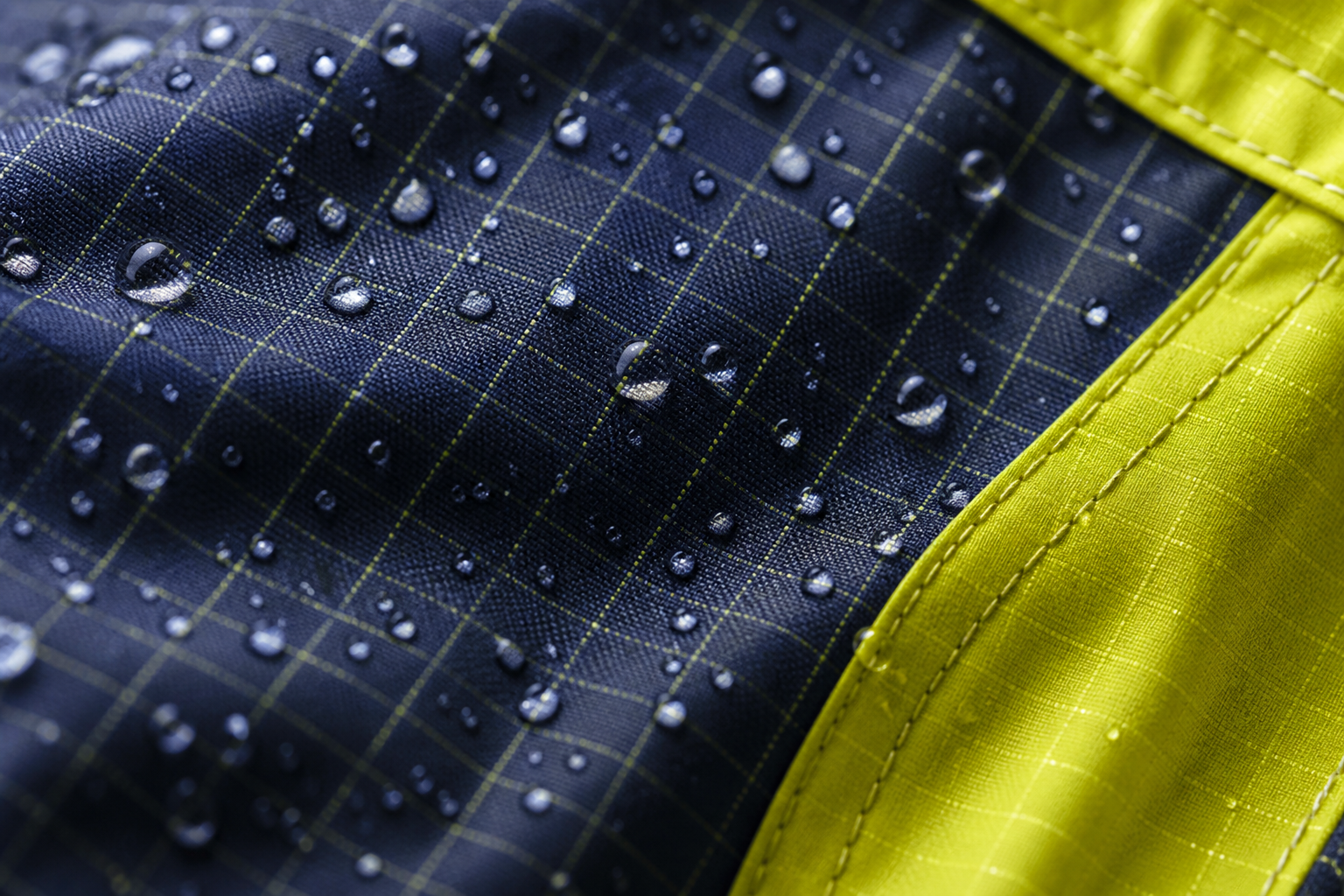
Coated fabrics, seam-sealing tapes and technical trims are largely imported — primarily from China — and garment assembly happens in Bangladesh. That hybrid model is normal and workable when the material route is managed properly. Chinese manufacturing investment in Bangladesh is also gradually bringing more technical know-how into the market.
Bangladesh is not the right answer for every taped-seam product. Very high-spec laminated mountaineering-style constructions, or programmes that depend on a fully local technical textile chain, may be better routed elsewhere. For workwear rain jackets, safety outerwear and hi-vis waterproof layers at realistic commercial price points, the capable Bangladesh supplier pool is real — just narrow.
Where taped-seam fits in a broader programme
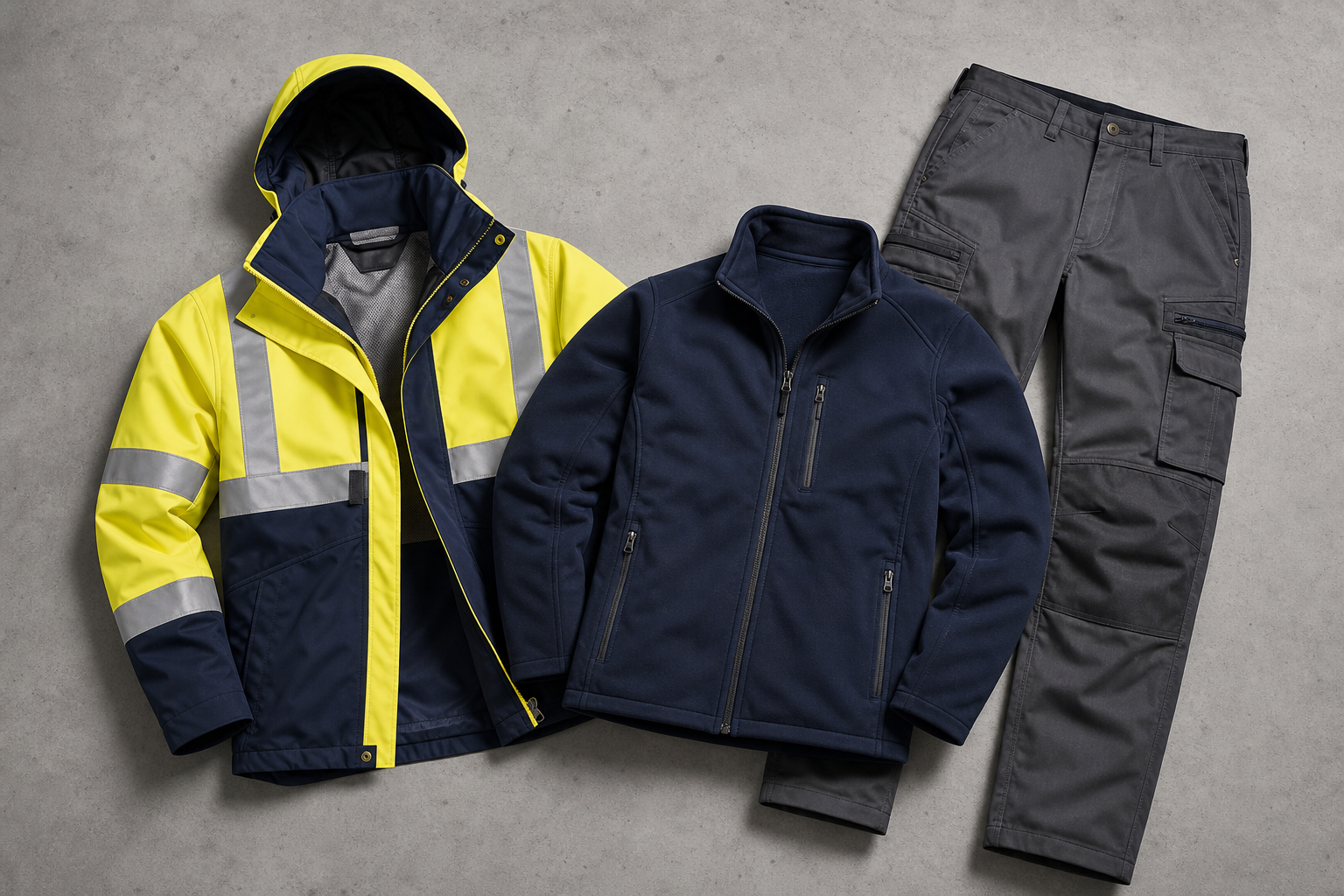
Buyers sourcing taped-seam waterproofs rarely stop at one style. They usually need shell jackets, insulated mid-layers, padded options and sometimes hi-vis overlays — a full safety outerwear manufacturer programme rather than a single SKU.
The instinct is to consolidate everything through one factory. For outerwear, that usually fails. Taped-seam waterproofs need a dedicated seam-sealing route. Padded jackets need quilting and fill capability. Plain shells sit somewhere between the two. Trying to force all three through one supplier typically means one product is compromised — and it is often the taped-seam style, because it is the hardest to execute.
The structure that holds up on repeat production is category-led factory selection: route taped-seam rainwear to where seam sealing is genuinely strong, manage fabric and tape flows centrally, and keep test documentation consistent across the range. That is how Bangladesh workwear manufacturing programmes scale without unravelling on the third season.
Source Workwear manages this for buyers developing private label outerwear: factory assessment before sampling, coating and tape specification, test lab coordination, and production follow-up. The goal is a supply model that repeats cleanly — not a first order that passes inspection by luck.
Scoping a taped-seam workwear jacket? Share your product brief with target markets and performance requirements — we will map factory capability, material routing and a commercially realistic production plan.
Source taped-seam workwear jackets through Source Workwear
Source Workwear works directly with the Bangladesh factories capable of taped-seam waterproof production at export quality — managing coating and tape specification, seam-sealing, testing and compliance documentation.
Frequently asked questions
Can Bangladesh produce taped-seam waterproof workwear jackets?
Yes. Selected factories in Bangladesh can produce taped-seam waterproof workwear jackets to export quality, including styles that also need hi-vis compliance. The supplier pool is narrow, though — most garment factories in Bangladesh are set up for basics and fashion, not technical seam-sealing. Buyers need to route taped-seam styles to factories with proven capability rather than assuming any waterproof shell supplier can handle them.
What is the difference between fully taped and critically taped seams?
Fully taped seams have seam-sealing tape applied along the entire seam line on the inside of the garment. Critically taped seams only seal the most exposed areas — typically shoulders, hood seams and upper body panels. Fully taped construction offers higher waterproof performance but demands more equipment, operator skill and process control. A factory that can run critically taped shells competitively is not automatically capable of fully taped production at scale.
What is EN 343 and do taped-seam workwear jackets need it?
EN 343 is the European standard for protective clothing against rain. It defines rain protection classes (X) and breathability classes (Y), typically written as EN 343 X:Y. Many European buyers require EN 343 certification on waterproof workwear jackets sold into industrial and safety markets. Taped-seam construction is often part of meeting those classes, but certification depends on the full garment system — fabric, coating or lamination, seam-sealing method and test results — not seam tape alone.
Why is taped-seam outerwear harder to source than plain waterproof shells?
Taped-seam production requires dedicated seam-sealing equipment, trained operators, compatible tape and coating systems, and disciplined in-line quality control. Plain waterproof shells can be produced at many factories with basic coating capability. Taped-seam jackets add a second manufacturing process that is easy to quote and hard to execute — which is why so many first samples leak, delaminate or fail hydrostatic testing.
What causes taped-seam workwear jackets to fail in production?
The most common failures are tape incompatibility with the fabric coating, poor heat and pressure control during seam sealing, contamination on seam lines before taping, and construction details that make clean taping impossible. Failures often show up late — after bulk cutting — when hydrostatic head testing, shower testing or field trials reveal seam leakage. The root cause is usually factory capability or specification mismatch, not a single bad batch.