Managed Production
Why Bangladesh — and how we manage your production route
Bangladesh is the world's second-largest garment exporter. The right managed route delivers competitive pricing, technical capability and compliance control — without the risk of a poorly matched factory.
2nd largest
garment exporter globally
2nd largest
garment exporter globally
40+ years
export infrastructure
BGMEA regulated
industry oversight
European Led
production management
Why Bangladesh
Why Bangladesh for workwear?
Knit & baselayer depth
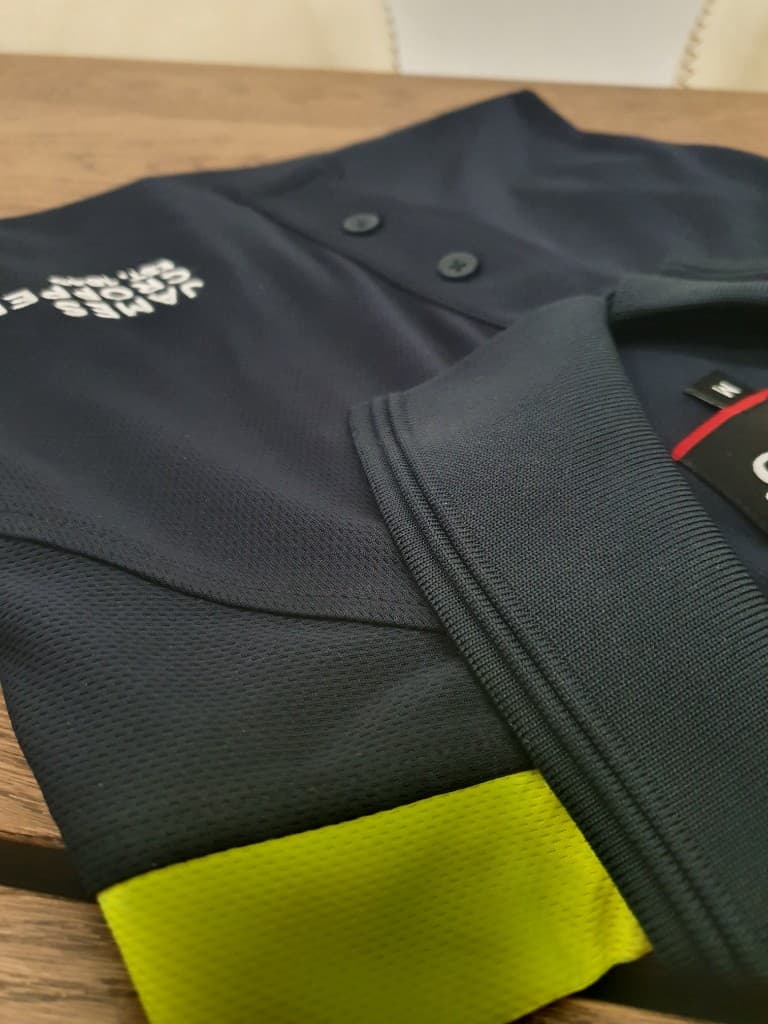
Established factory routes for polos, sweats, fleeces, softshells and moisture-wicking baselayers — MOQs assessed per product, typically from around 2,000 pieces per style and colourway.
Technical cargo capability
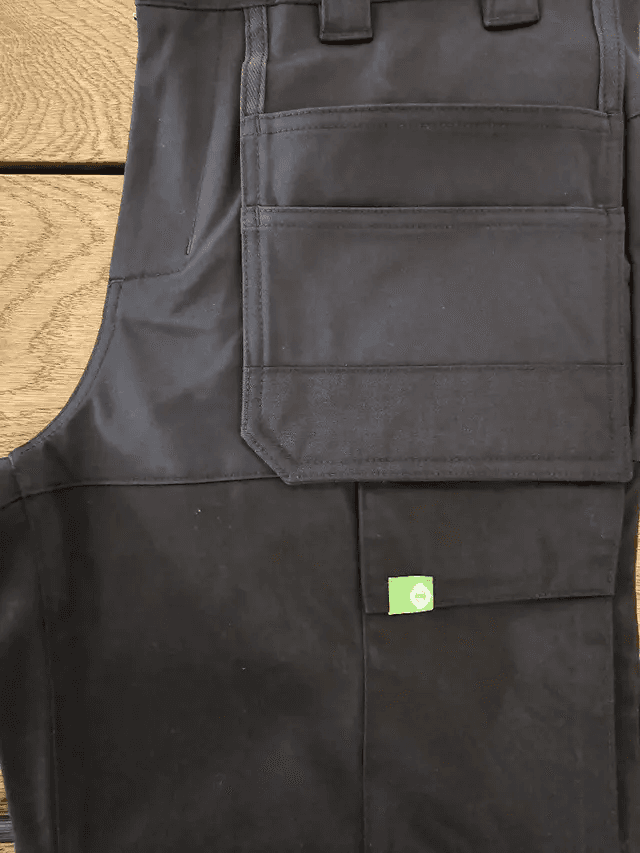
4-way stretch fabrics, multi-pocket construction and reinforced stress points for utility workwear trousers.
Outerwear production
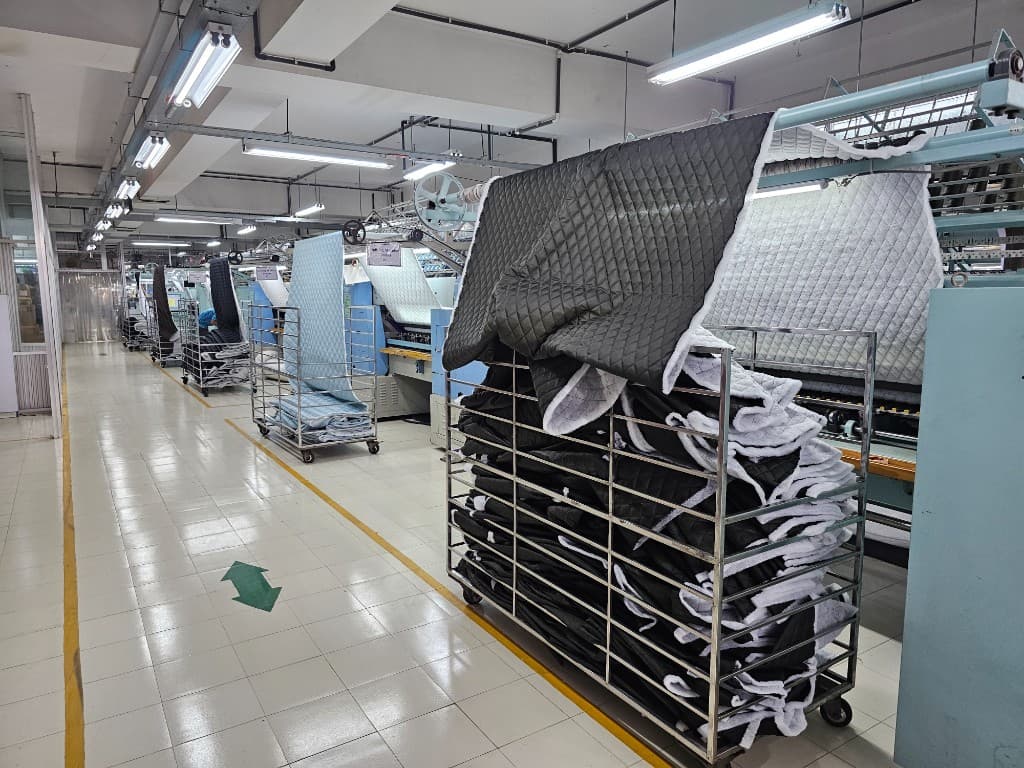
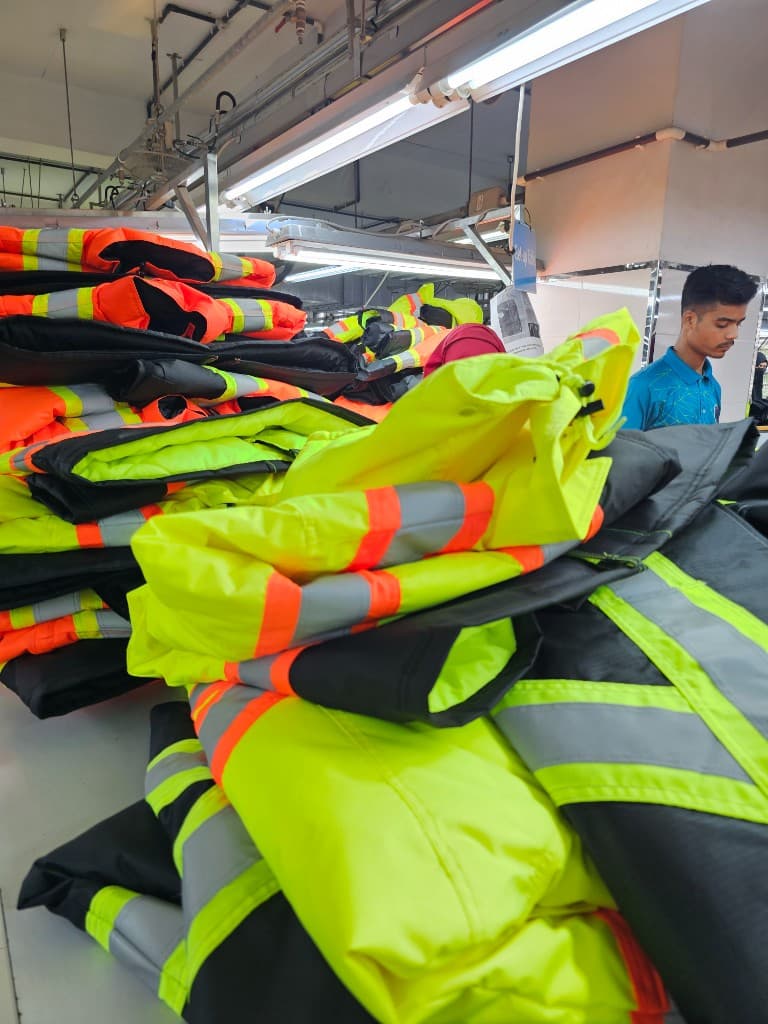
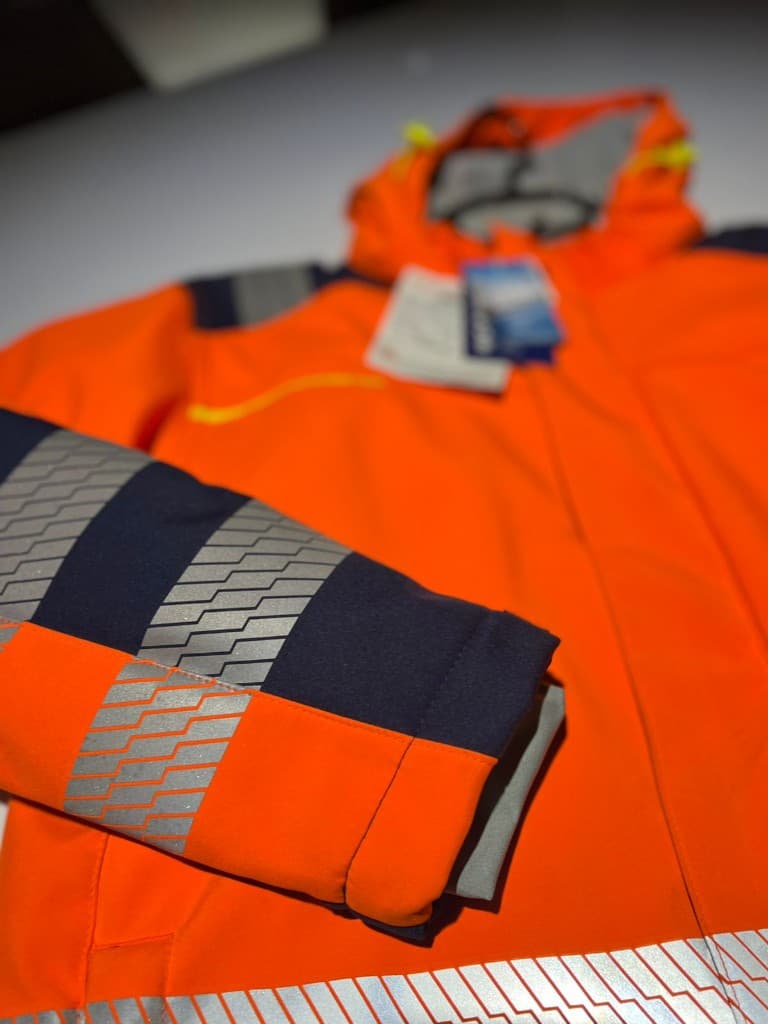
Growing capacity for padded jackets, shell garments and taped-seam production when matched to the right factory.
Competitive alternative to China
Cost-competitive garment production at export scale — a practical route for brands diversifying away from China.
Production fit
What Bangladesh does well
Where Bangladesh works well
Workwear categories where Bangladesh delivers strong value when matched to the right factory route.
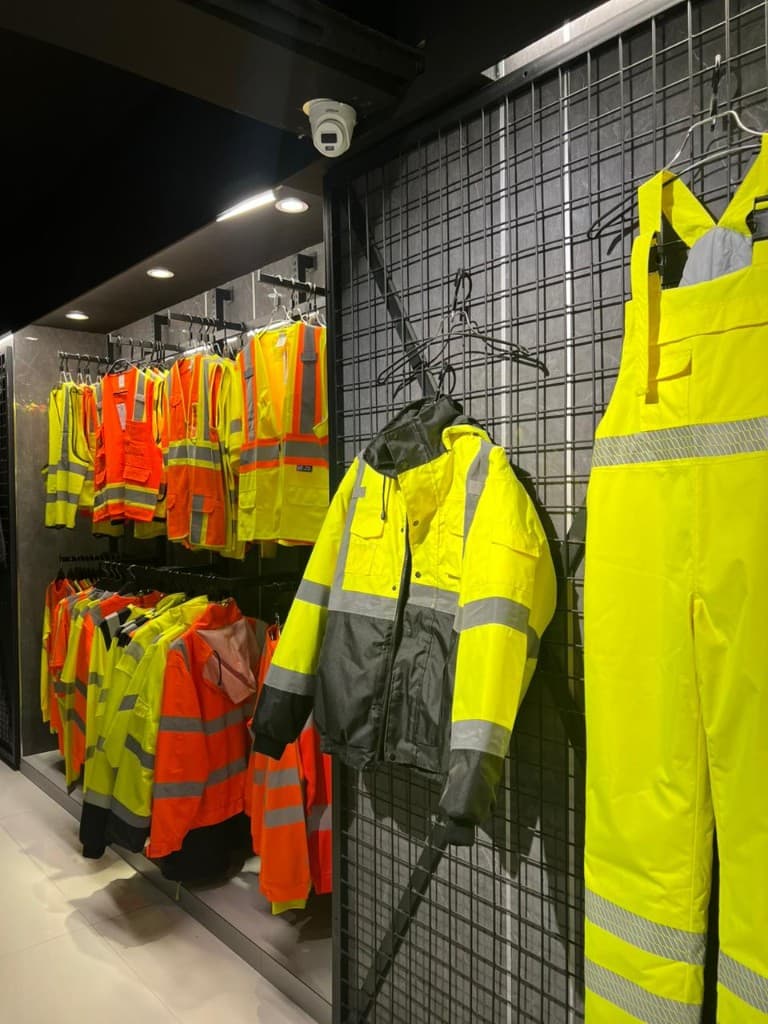
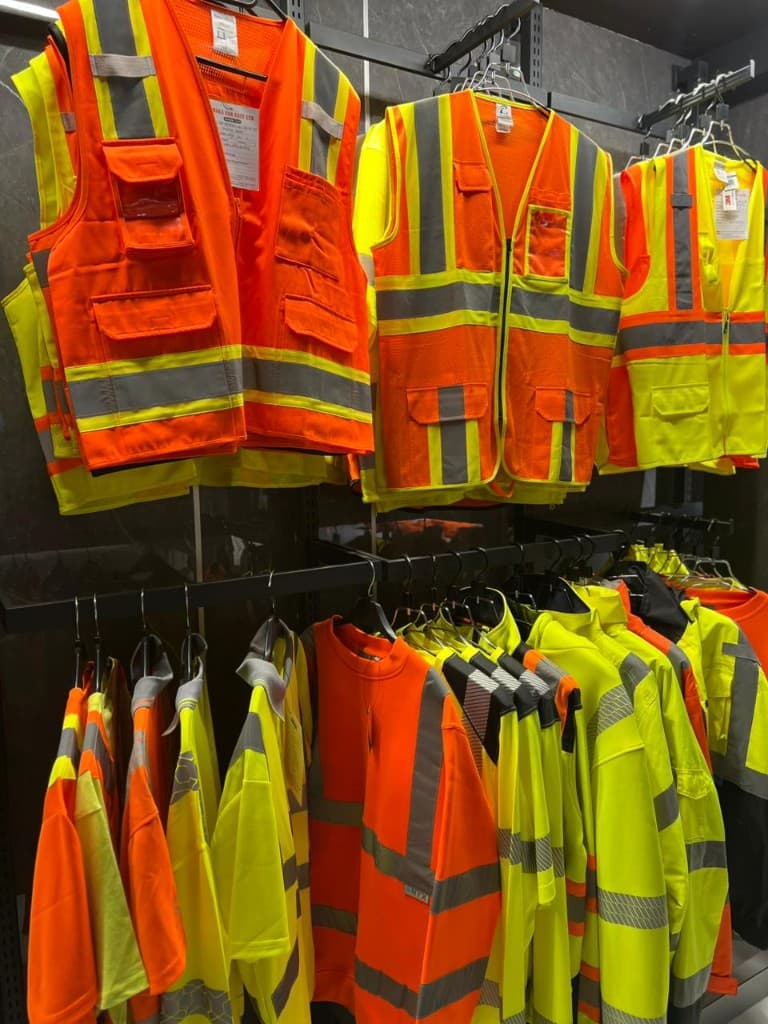
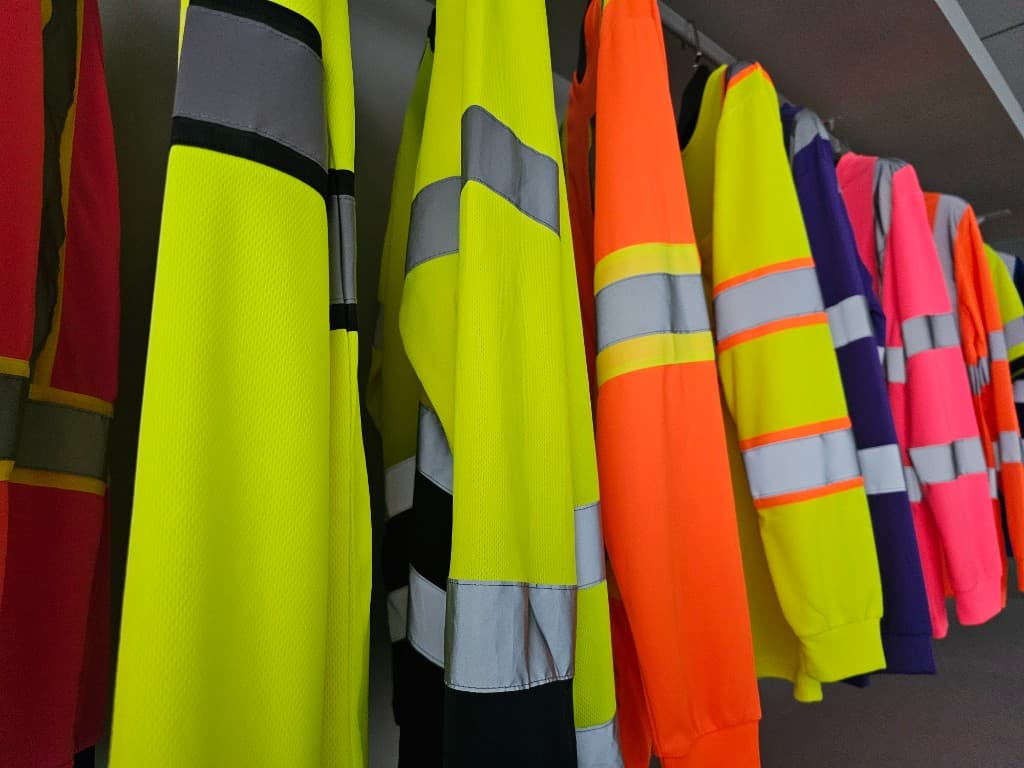
- Hi-vis knit garments — polos, sweats and hoodies
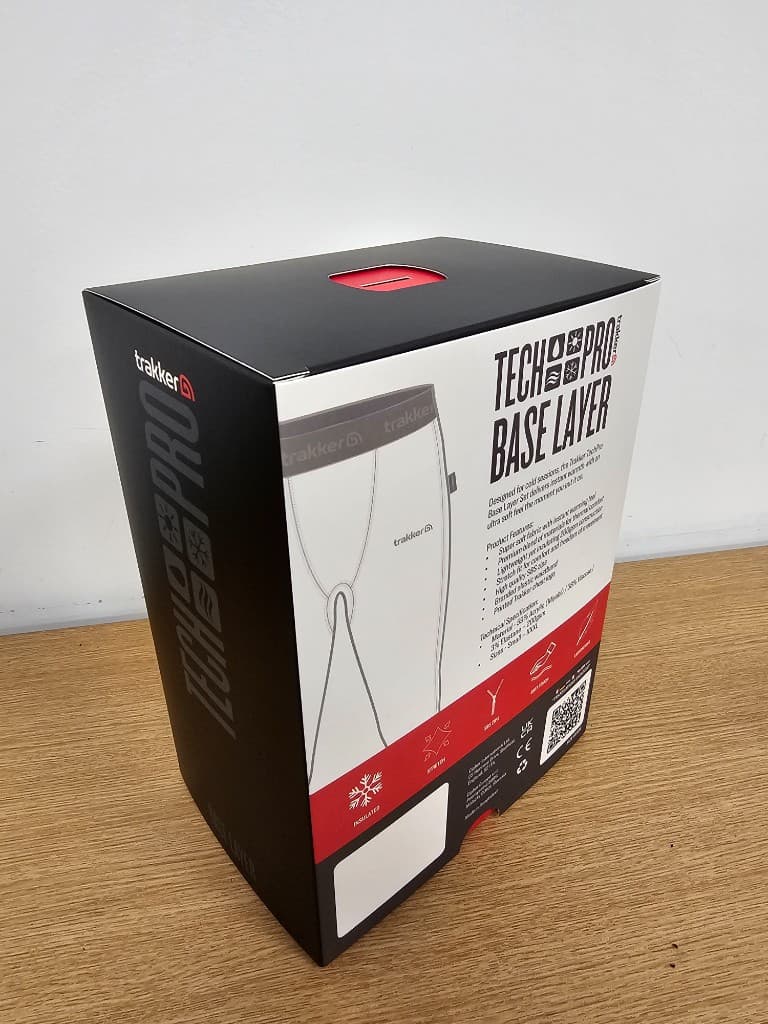
- Workwear knits and baselayers
- 4-way stretch technical utility cargos
- Multi-pocket workwear trousers and shorts
- Fleece, softshell and mid-layers
- Padded workwear jackets
- Taped-seam and shell outerwear (factory-matched)
- Private label and uniform programmes
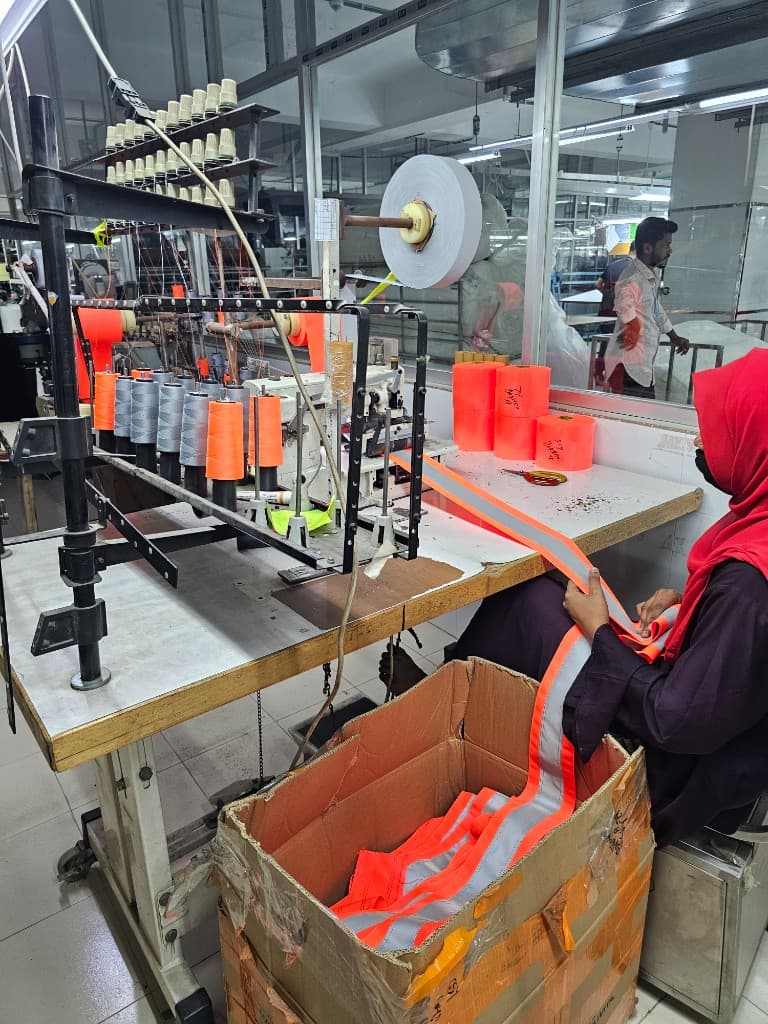
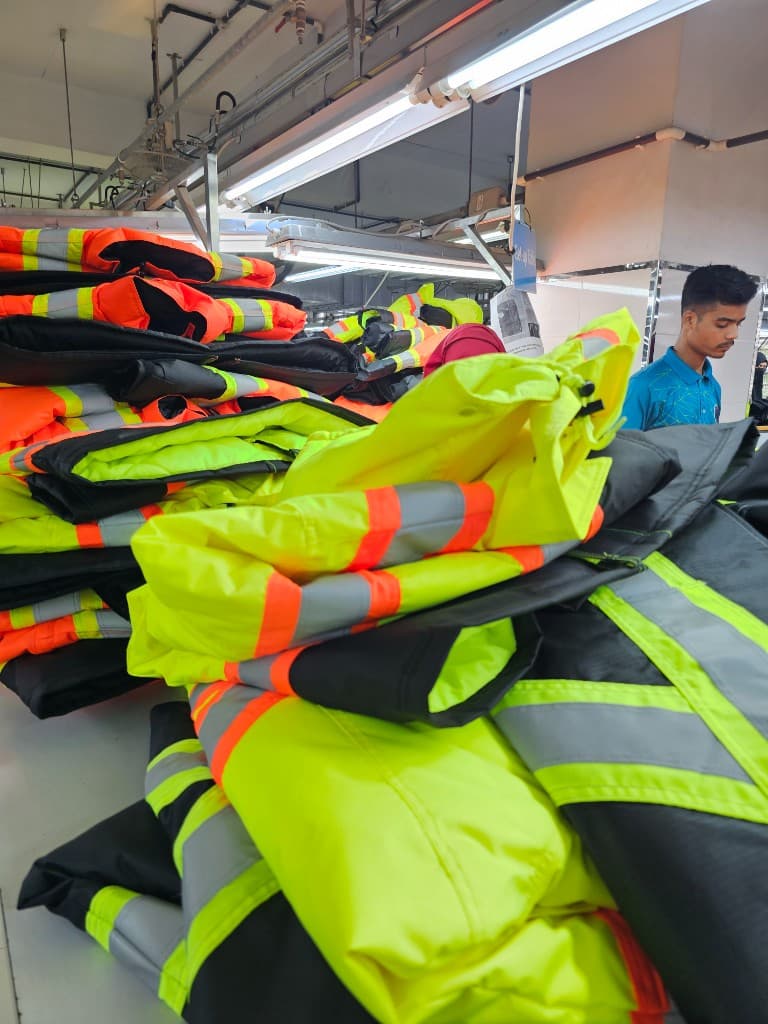
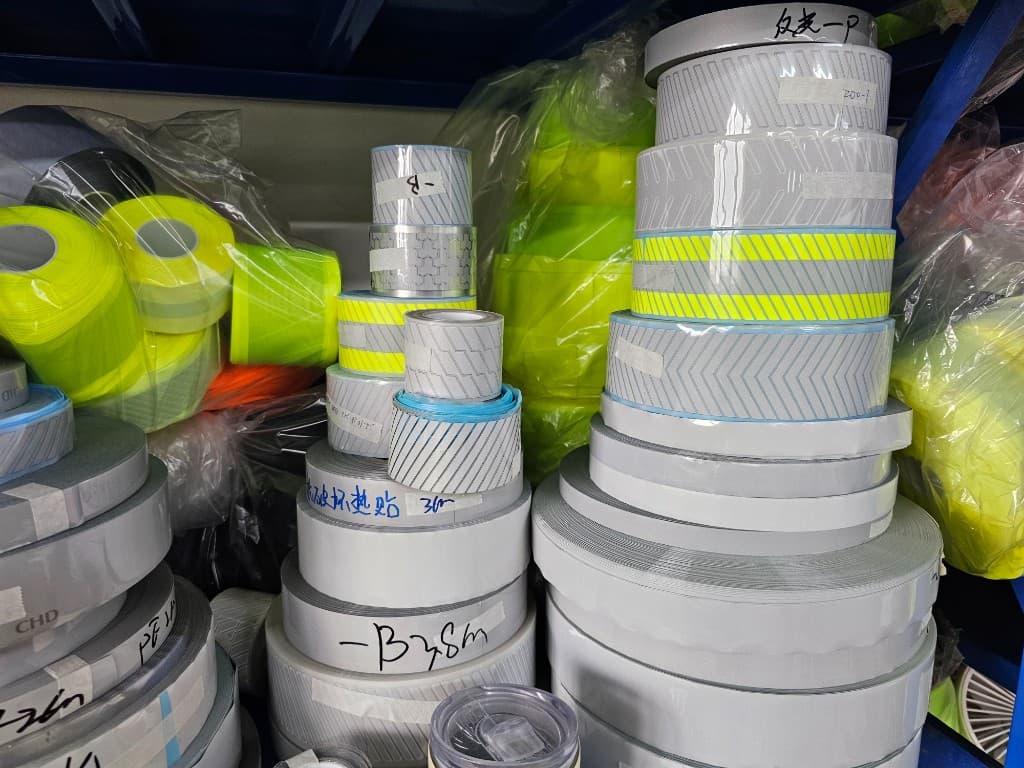
- Hi-vis and safetywear programmes — Class 2/3, test documentation and colour continuity
What we verify before every brief
Every style goes through a structured fit assessment before we commit to a factory route — regardless of category or volume.
- Safetywear and hi-vis compliance against your target market
- Factory certification against your compliance standard
- Technical construction capability vs. your specification
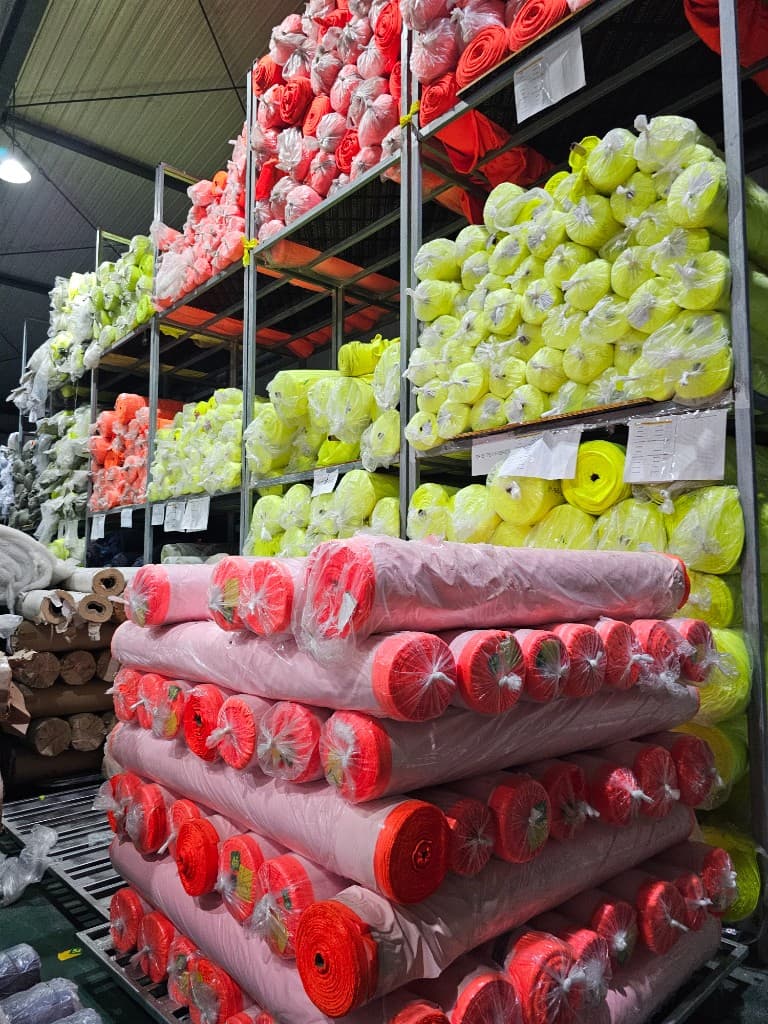
- Fabric and trim supply chain traceability
- MOQ feasibility (product-dependent; typically from ~2,000 pcs per style/colour), costing and lead time
- Sampling infrastructure and development capacity
- QC systems and audit status before commitment
Our Process
How Source Workwear manages the process
Manufacturing capability on the ground
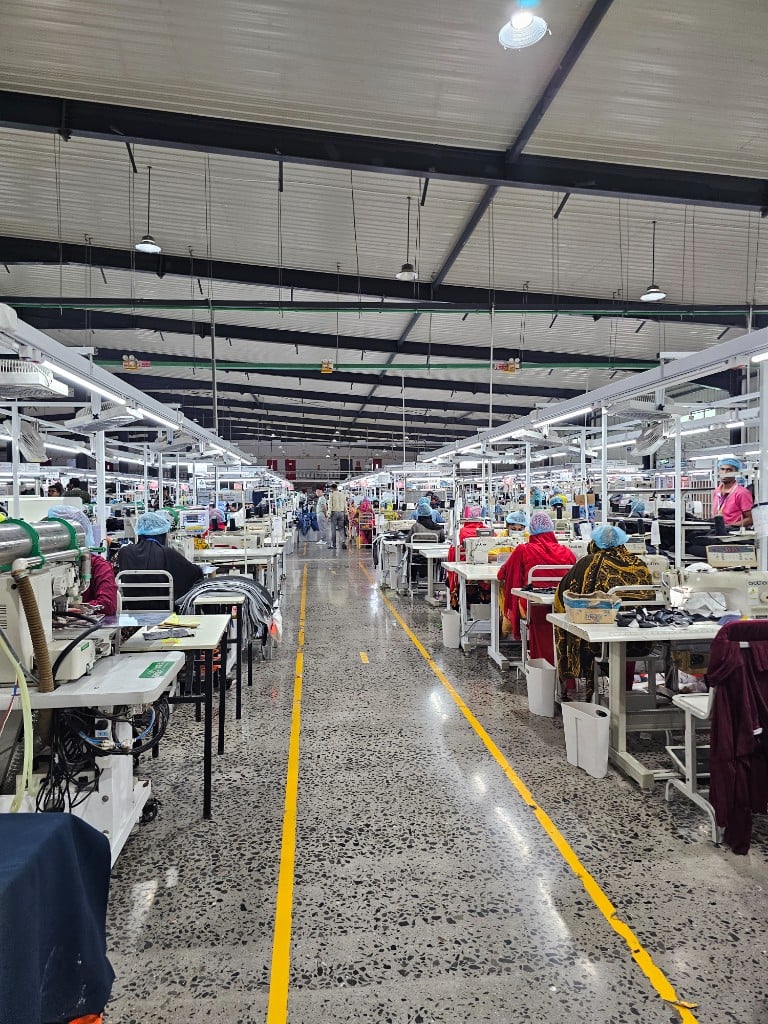
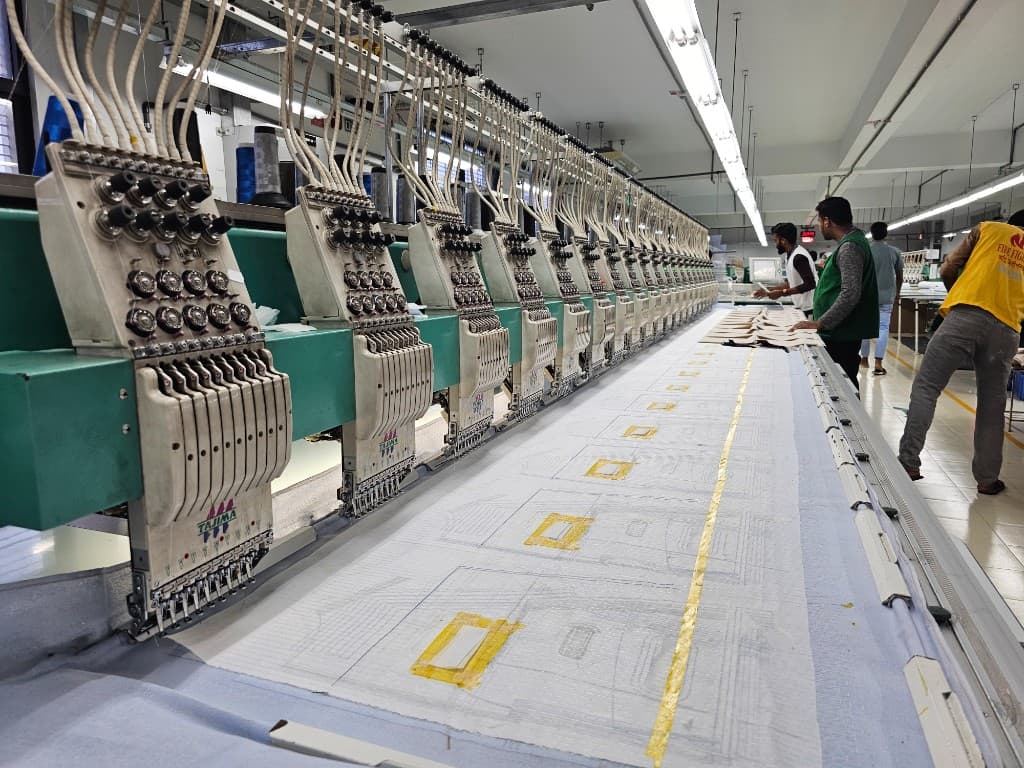
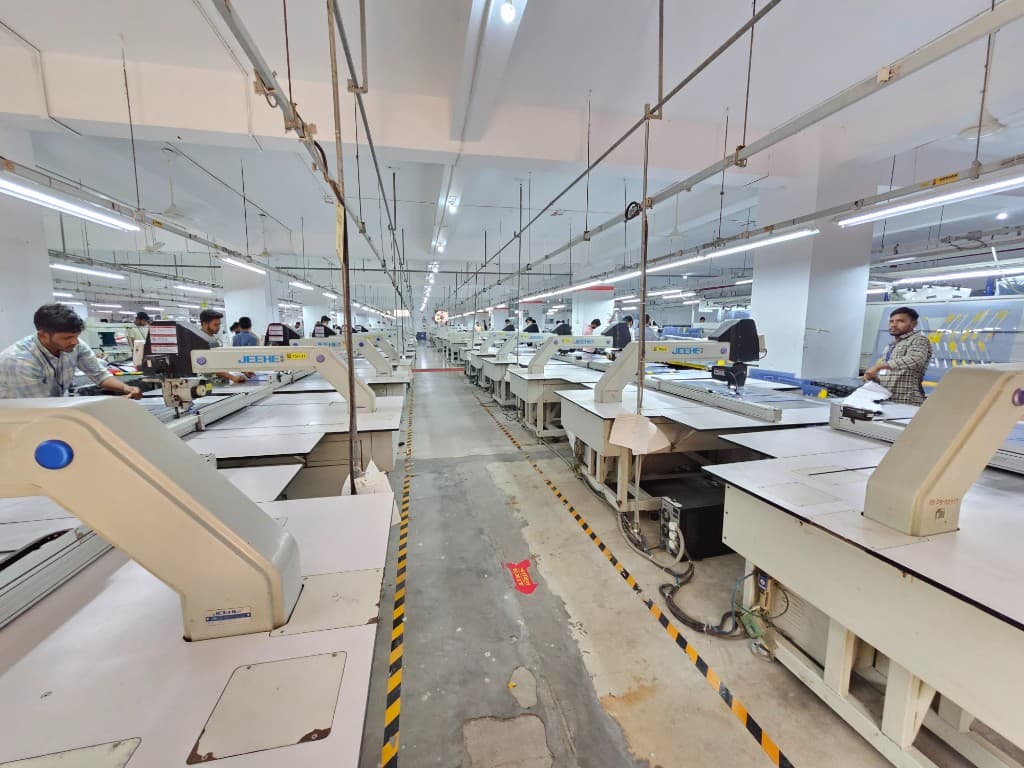
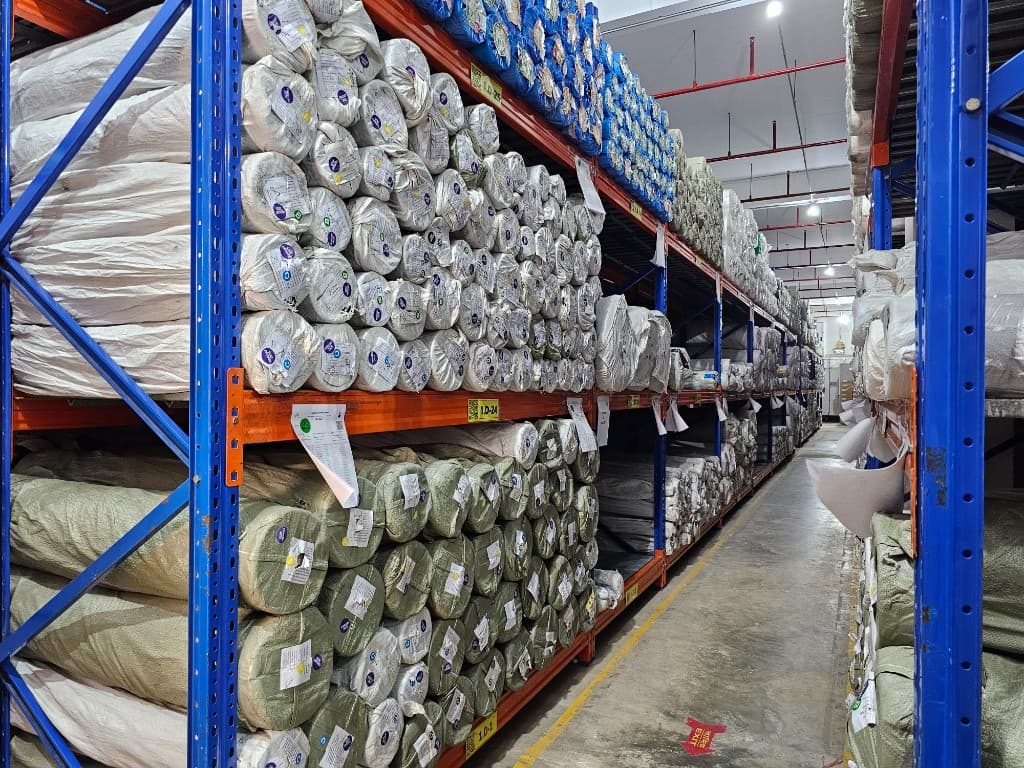
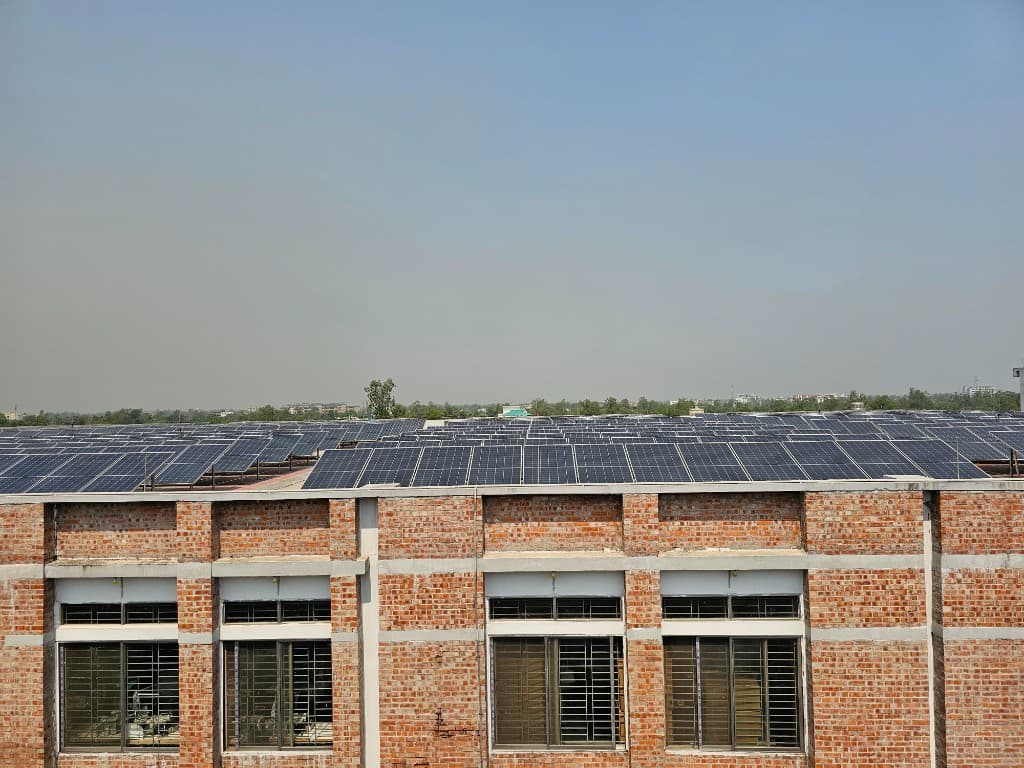
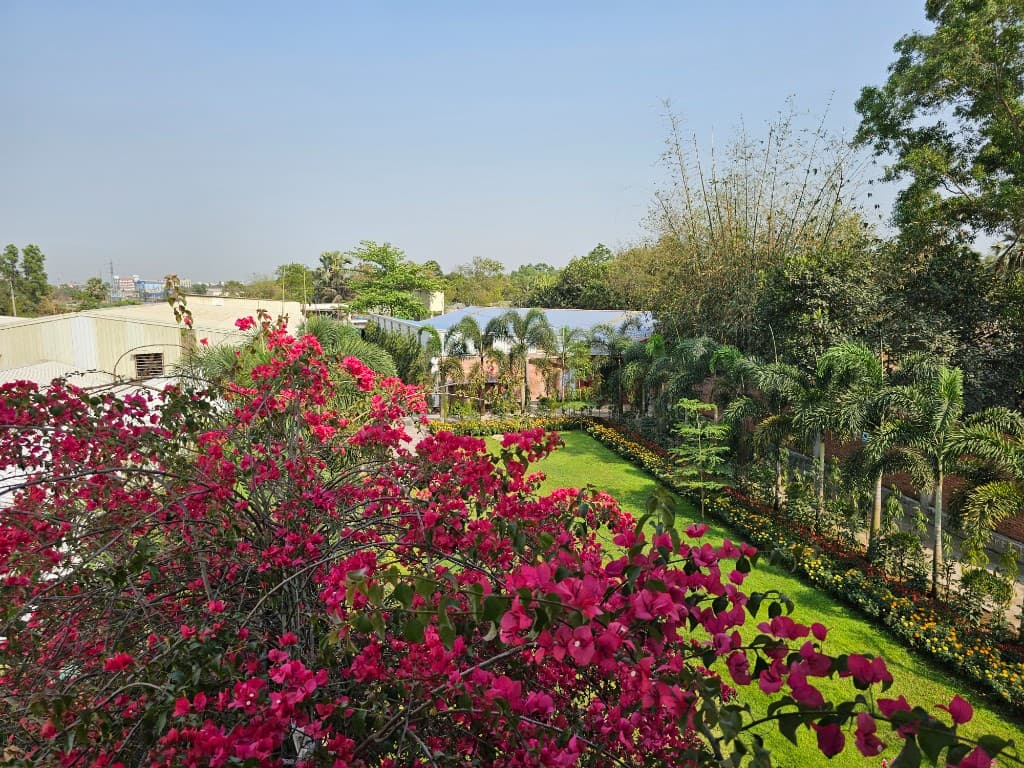
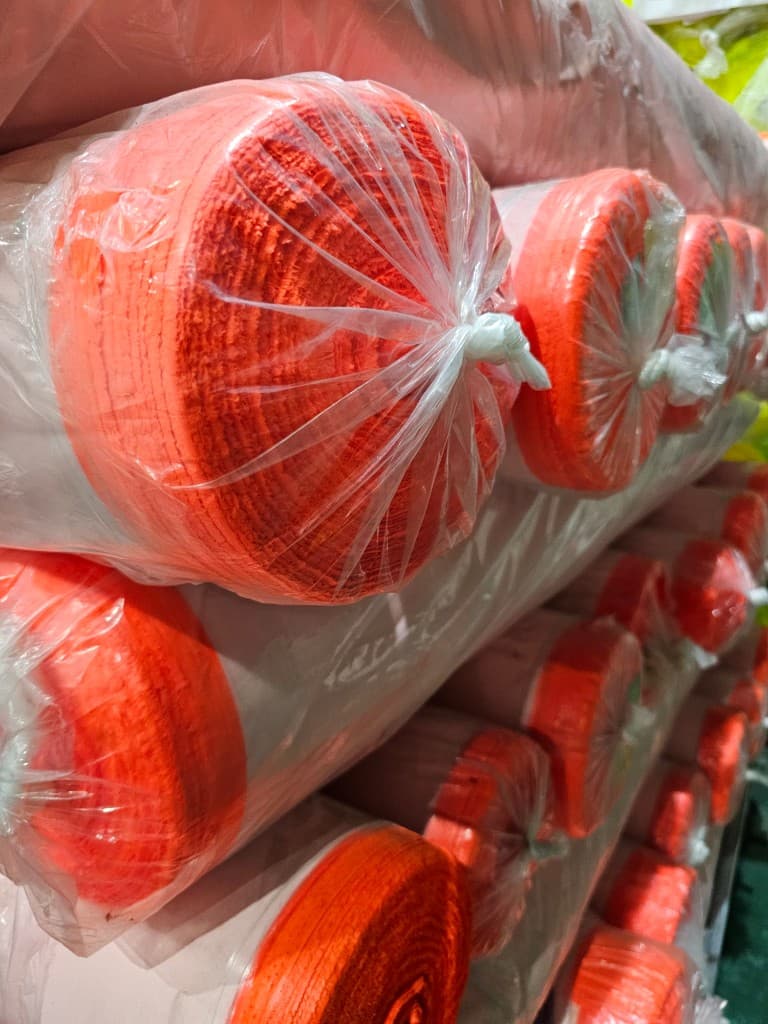
Our Bangladesh factory routes include multi-head embroidery for uniform branding, large-scale sewing floors, quilting for padded outerwear and organised fabric warehouses — matched to the technical requirements of each style.
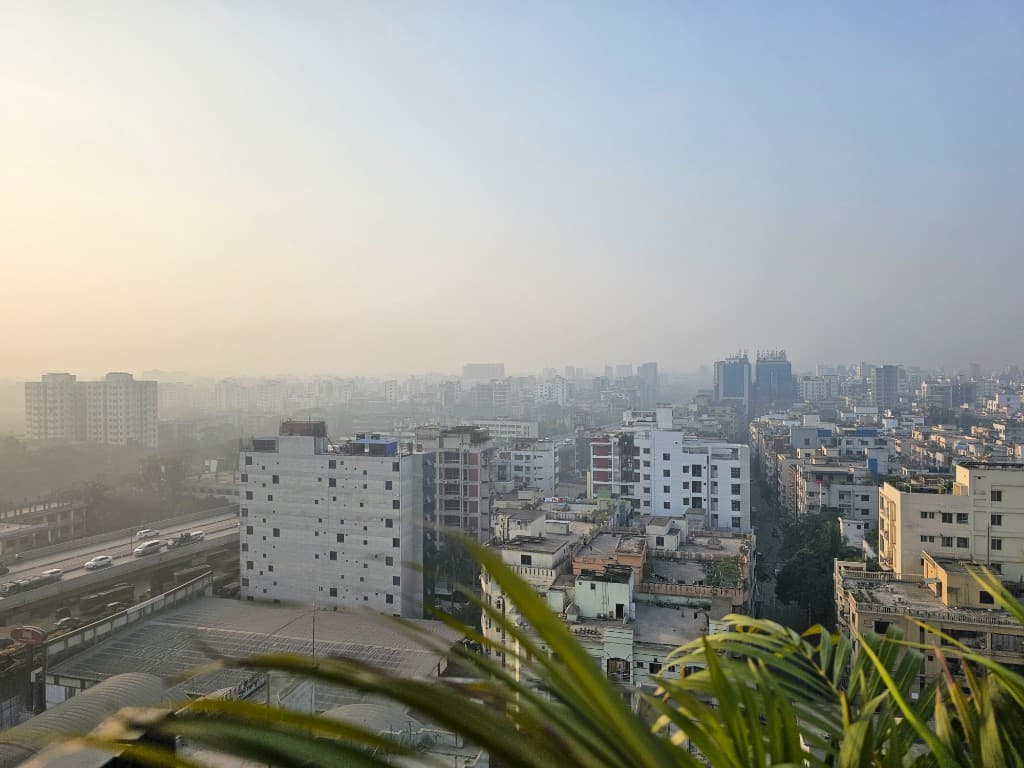
Bangladesh's manufacturing hub
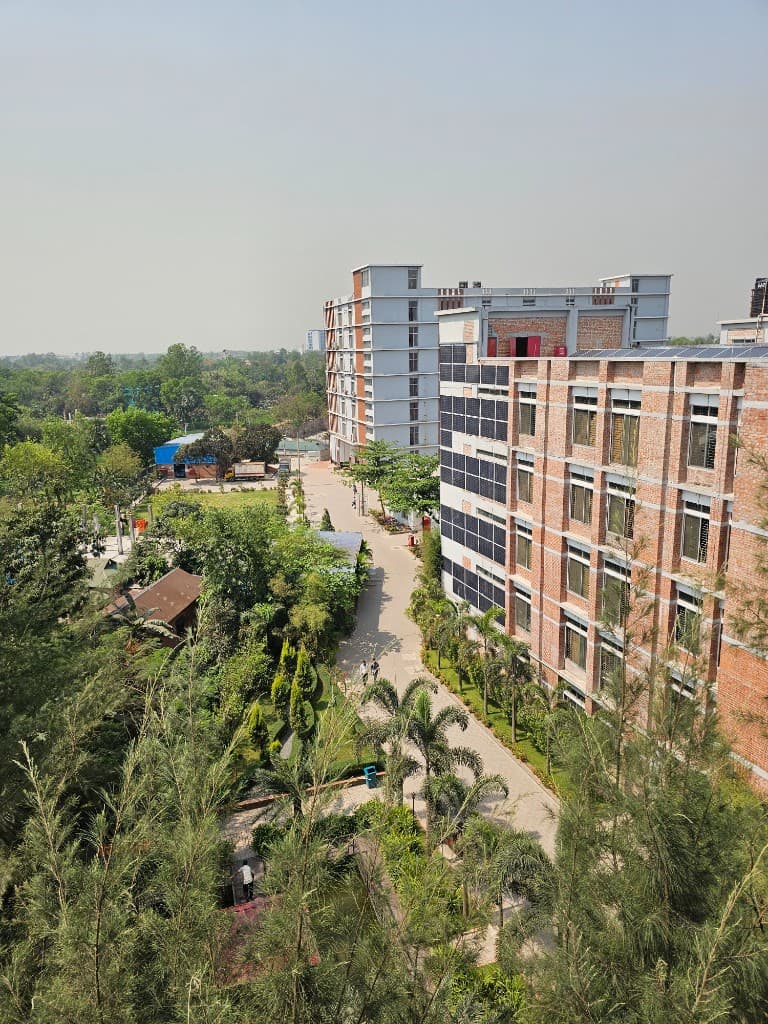
Dhaka and the surrounding industrial zones host one of the world's largest garment export clusters — with decades of export infrastructure, BGMEA oversight and established supply chains for workwear production.
Product Range
Product categories
Workwear categories we regularly support through managed Bangladesh factory routes.
How we manage Bangladesh production
From brief review through factory matching, sampling, compliance and bulk — see how we work or explore product categories.